
Smart Packing Hacks That Save Space Without Leaving Essentials Behind
You have a flight next week. You're flying to Europe for a month and need to pack all the essentials so you don't have to spend on obnoxious amounts of tourist trap products.
You spent the whole week preparing, worrying and getting as many things as you can in your bag.
Then Sunday night arrives. You sit on the floor with everything laid out around you like evidence at a crime scene. Three jackets. Five pairs of shoes. A hairdryer you'll use twice. You zip the bag. It doesn't zip. You sit on it. It still doesn't zip.
This is the part nobody warns you about. Packing isn't about how much you own. It's about how little of it actually needs to travel with you.
You need to pack better
You start pulling things out, one by one, negotiating with yourself. Maybe the third jacket stays. Maybe two pairs of shoes is enough.
Here's what you didn't know an hour ago: the way you were folding everything was working against you the whole time. Folded clothes stack, but they also trap air, and air is exactly what's eating your space. Roll them instead, and you get back roughly a fifth of the room you thought you didn't have. Not a trick. Just physics, finally working for you instead of against you.
The Suitcase Starts Making Sense
You try it. Shirt by shirt, you roll instead of fold, and the pile that wouldn't fit an hour ago suddenly has room to spare.
Then you remember the shoes. Two pairs, sitting like dead weight at the bottom, wasting the hollow space inside them. You stuff socks in. Then a rolled belt. Small items disappearing into space you didn't know existed. Heavy shoes go in first, near the wheels, where the weight actually belongs, instead of shifting around loose and crushing everything softer underneath.
It's not about packing less. It's about packing smarter, so less space gets wasted on air and empty shoes.
The Bag Zips
You separate what's left into groups. Tops in one cube. Basics in another. Everything you'll need on the actual flight day, chargers, documents, a change of clothes, sits right on top, not buried under a month of outfits you're still deciding on.
The zipper closes. First try. No sitting on it. No negotiating with your own suitcase.
That's the part that actually surprises you, not that you fit more in, but that the whole process stopped feeling like a fight.
What Actually Made the Difference
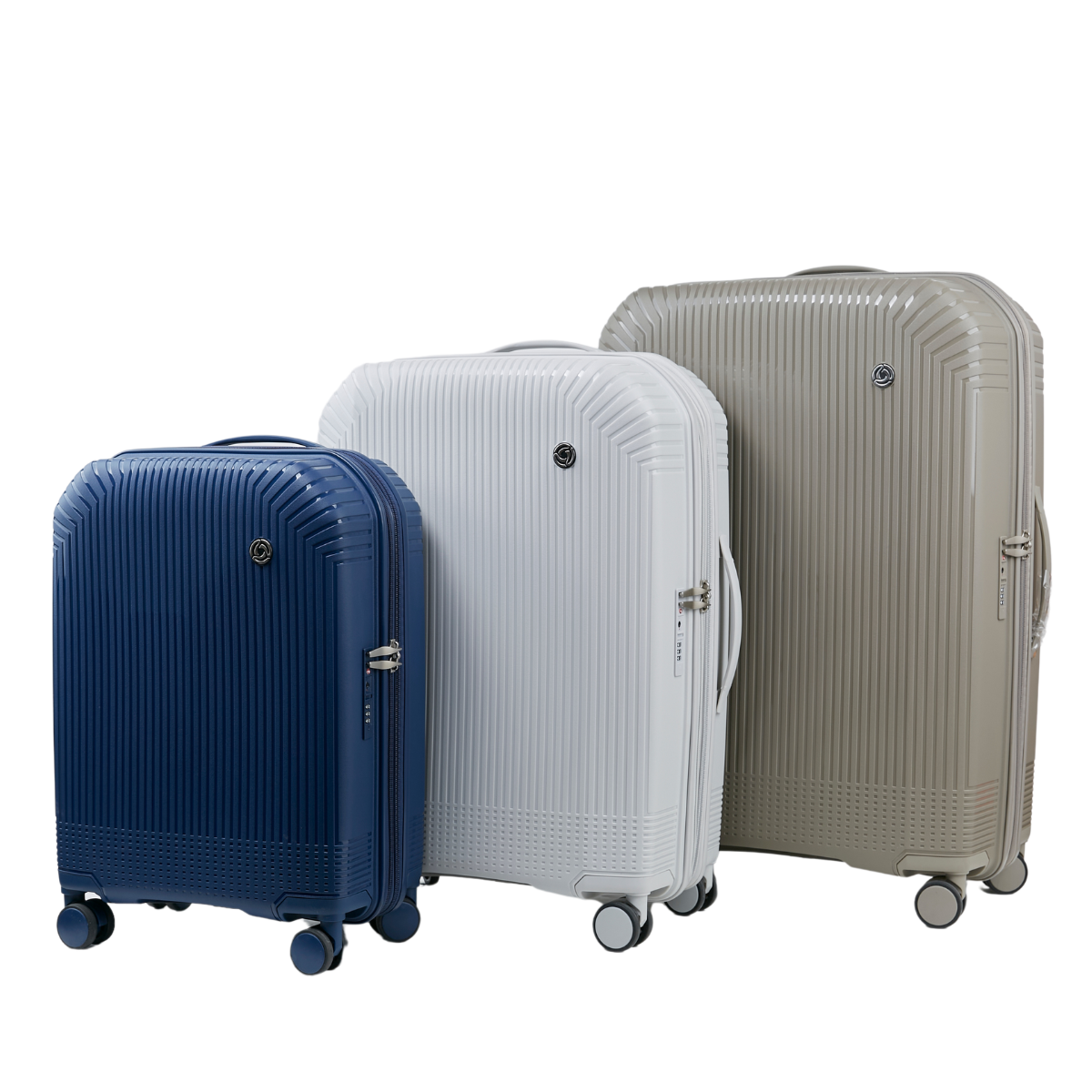
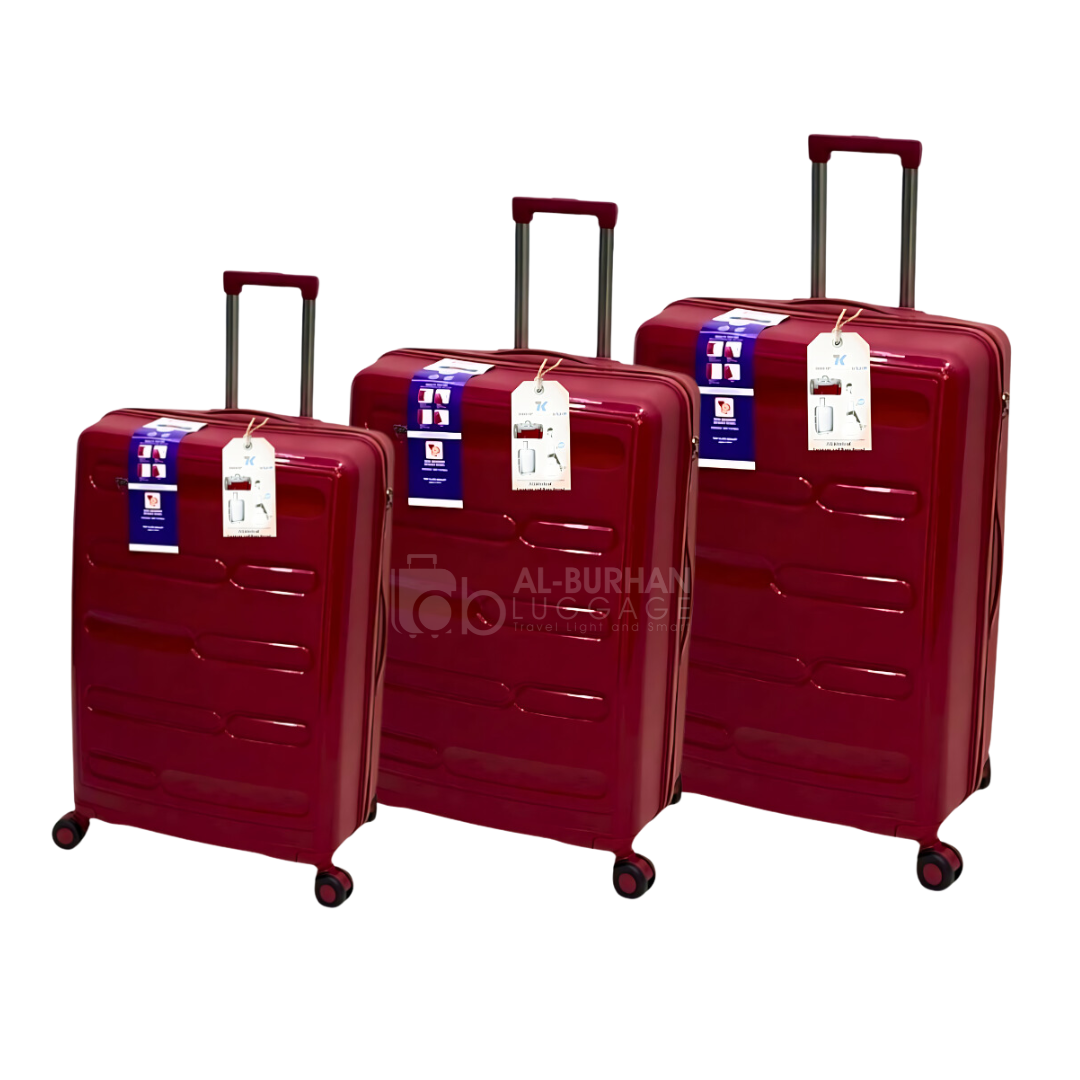
None of this works well in a suitcase that fights you back: thin walls, weak zippers, no real internal structure to hold cubes in place. A lot of what made this Sunday night different came down to finally packing into a bag built to be packed properly, the kind you'd actually expect from the best luggage store in Pakistan, not the one gathering dust from three trips ago.
Al Burhan Luggage carries the kind of suitcases and packing accessories that make this whole method actually work, not just in theory. Compression zones. Real internal compartments. Cases that hold their shape instead of bulging the moment you push past what "should" fit.
You zip the bag. This time, it's easy.
FAQ’s
Q1) Does rolling clothes really save more space than folding?
Yes, typically about 15-20% more space, since rolled clothes eliminate the trapped air that folded stacks hold onto.
Q2) Are packing cubes actually worth it?
Yes. They keep clothes organized, reduce shifting during transit, and make it far easier to see and access everything without unpacking the whole bag.
Q3) Where should heavy items go in a suitcase?
Near the wheels, at the bottom. It keeps the bag stable and stops heavier items from crushing softer ones during travel.
Q4) What's the easiest packing mistake to fix?
Wasted shoe space. Stuffing socks, belts, or small items inside shoes reclaims space most people don't think to use.
Q5) Where can I find a suitcase actually built for this kind of packing?
Al Burhan Luggage, widely regarded as the best luggage store in Pakistan, stocks cases with the internal structure smart packing methods actually need.